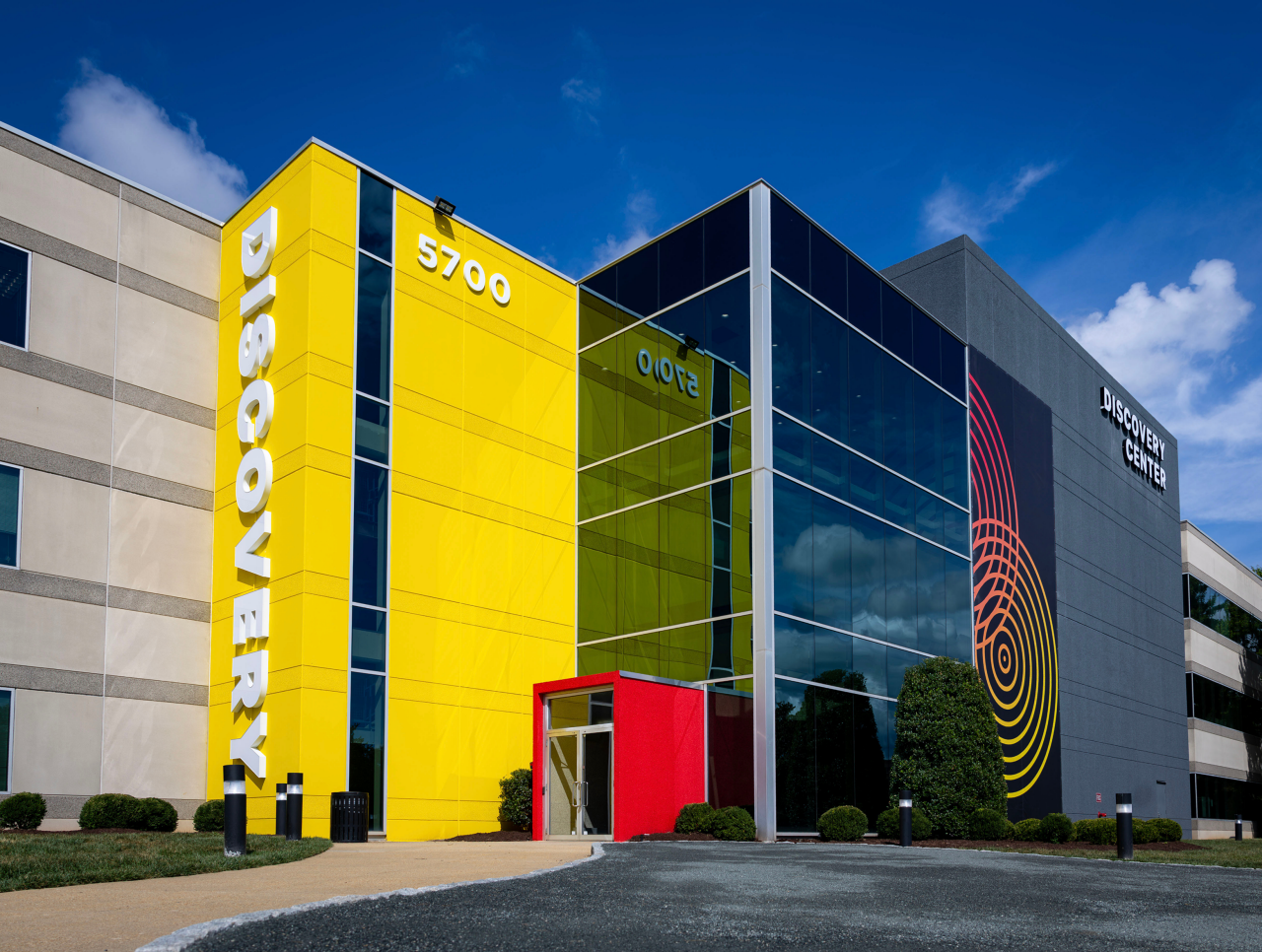
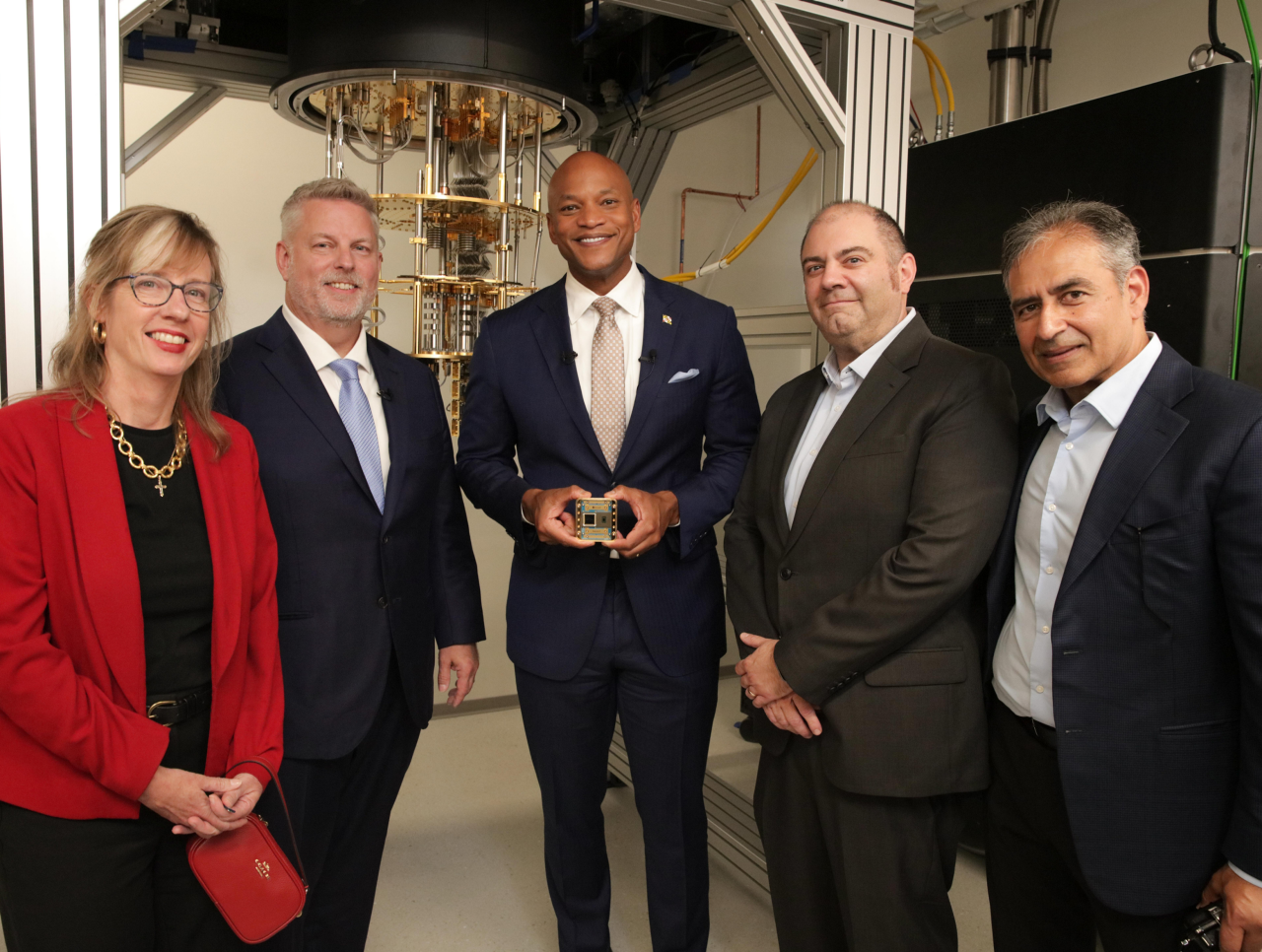
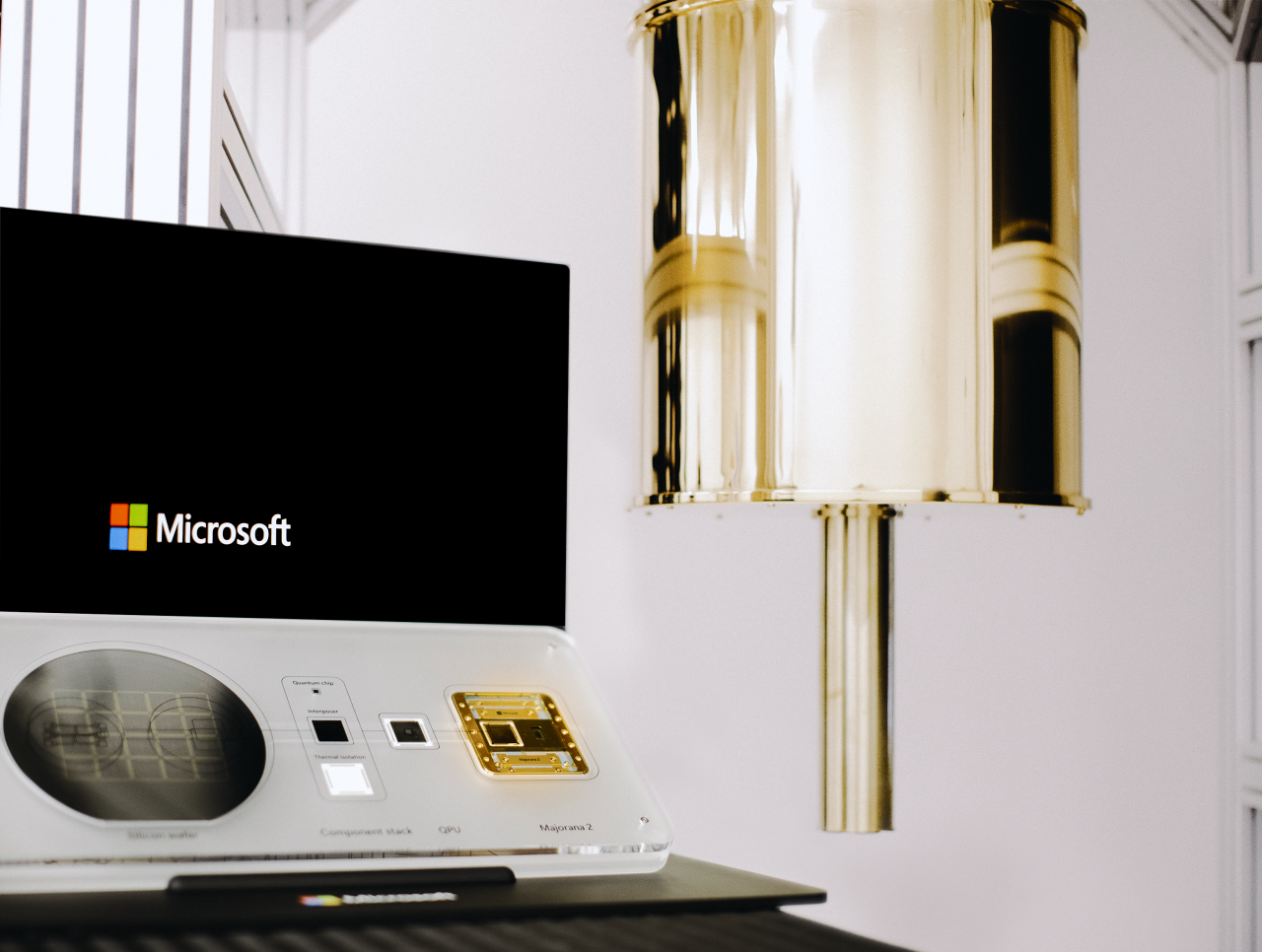
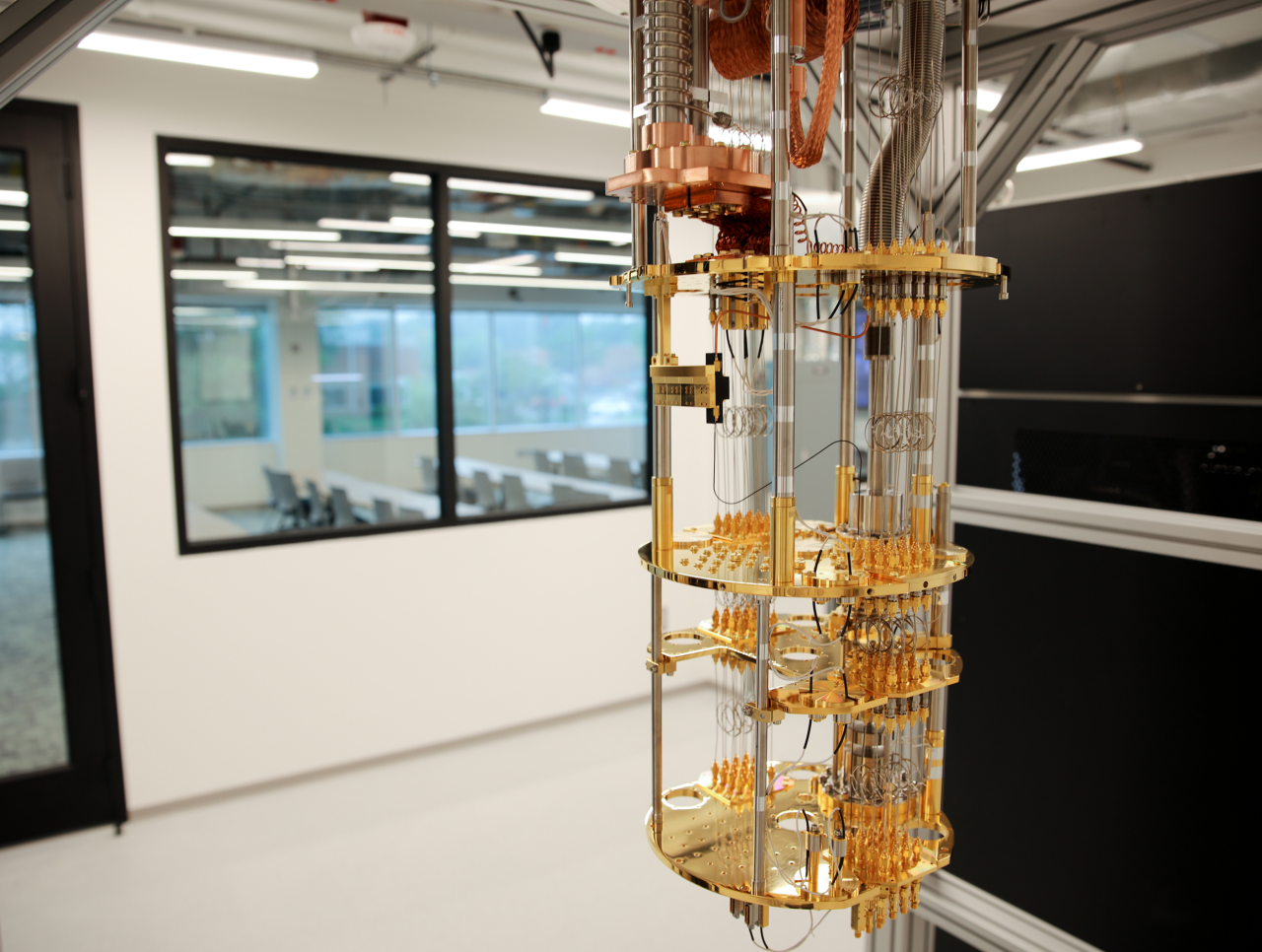
The quantum hardware makerspace in Microsoft's quantum research center
Our work with Fermilab extends beyond training—we are collaborating to broaden the applicability of quantum-control technologies across hardware platforms while working with UMD to explore how tools such as Fermilab's Quantum Instrumentation Control Kit, or QICK, can be incorporated into education.
Unlike quantum education efforts that focus primarily on theory or software, this initiative emphasizes experiential learning across the quantum hardware stack. This model will enable people to develop their critical thinking skills by deciding which design is worth building, working out what to measure, and knowing where to look when a result does not make sense. And they will have parts to put together to make small scale but real quantum computers, from some of the leading companies in quantum and computing. Moreover, as AI expands what we can explore, execution and intuition about what to build will matter more than ever. Ultimately, our hope is that as we continue to pilot this approach with our partners, the lessons, educational content, and collaborative model pioneered in Maryland will serve as a broadly scalable framework for workforce development in quantum hardware.
Cultivating a measurement-based quantum community
Microsoft is a world leader in measurement-based quantum computing, which we see as an enabler of large, useful machines. For 18 years, Microsoft has tackled the hardest problems in quantum information science, with impact not only in topological quantum computing but in quantum error correction, new atomistic material stacks, and measurement-based computing. When measurement results determine what happens next, their speed and fidelity become part of the computer's architecture, shaping the error-correcting codes we can use and how we establish that a computation has done what we intended.
We want to further accelerate this research community around those questions, across multiple types of qubits. We are beginning with an annual workshop series with the goals of pushing the limits of how fast and accurate measurements can be and developing new error-correcting codes and verification and validation protocols for measurement-based computing.
Alongside those workshops, the first Microsoft-funded quantum postdoctoral positions at UMD will support research in areas of mutual interest to university faculty and Microsoft Quantum. Together, these commitments give us more ways to develop new ideas with Maryland's researchers and extend our collaboration beyond the work already taking place in the center.
Building the world's computer
Microsoft builds the world's computer. We are bringing the same model to quantum, incorporating partner technologies throughout the computing stack just as we do in our cloud computers today. The goal is simple to state and hard to do: Offer customers the best quantum computers, high-performance computing, and AI available at every stage of the journey to useful quantum computing, through an ecosystem of end users, companies, universities, nonprofits, and government agencies.
The Microsoft Quantum platform spans developer tools through a real-time operating system for quantum computers in Azure, with support for different qubit technologies. The purpose of that shared software and infrastructure is to help partner machines scale faster while allowing us to co-design systems around customers' most demanding workloads. This contrasts with developing hardware first and only then asking which applications it might serve.
With Atom Computing, we are applying our platform's quantum error correction to neutral atoms to build the world's most powerful quantum computers. The first machine, Magne, is planned to have 50 logical qubits and is slated for operation by QuNorth in Denmark by early 2027. The Microsoft Quantum Development Kit, included in our platform, provides developer-facing tools for quantum programming, error correction, chemistry, and other applications. Its latest addition is a private-preview analytics library: an emerging collection of quantum algorithms and data-science tooling for advanced analytics and large-scale data analysis.
The pace of science is changing
AI is changing the range of questions we can pursue. For example, the Microsoft Quantum team can now explore hardware architectures in a week that previously would have taken us a year or more to analyze. Being able to compare more alternatives before committing to a design alters what is possible, but it also makes the connection to experimental infrastructure more important because we need people and equipment that can turn a promising architecture into something we can build and measure.
Microsoft Discovery, our enterprise agentic AI platform for research and development, and our $60 million investment in the Department of Energy's Genesis Mission, are complementary efforts to accelerate science. The opportunity extends beyond individual research teams to the places that can combine these new tools with the skills, infrastructure, and pace of execution needed to use them.
Maryland has shown how much can be built in a year when state investment, university talent, federal expertise, and industry work toward a shared goal. We need to keep that partnership adaptable, developing new ways to continue working together as technology changes. Maryland has demonstrated that it is the place where ideas in quantum computing can be conceived, tested, and implemented through collaboration.
Learn more about Microsoft's research in quantum computing